
Electric Fireplaces for Media Walls: Sizes, Placement, and How to Choose the Right Model in 2026
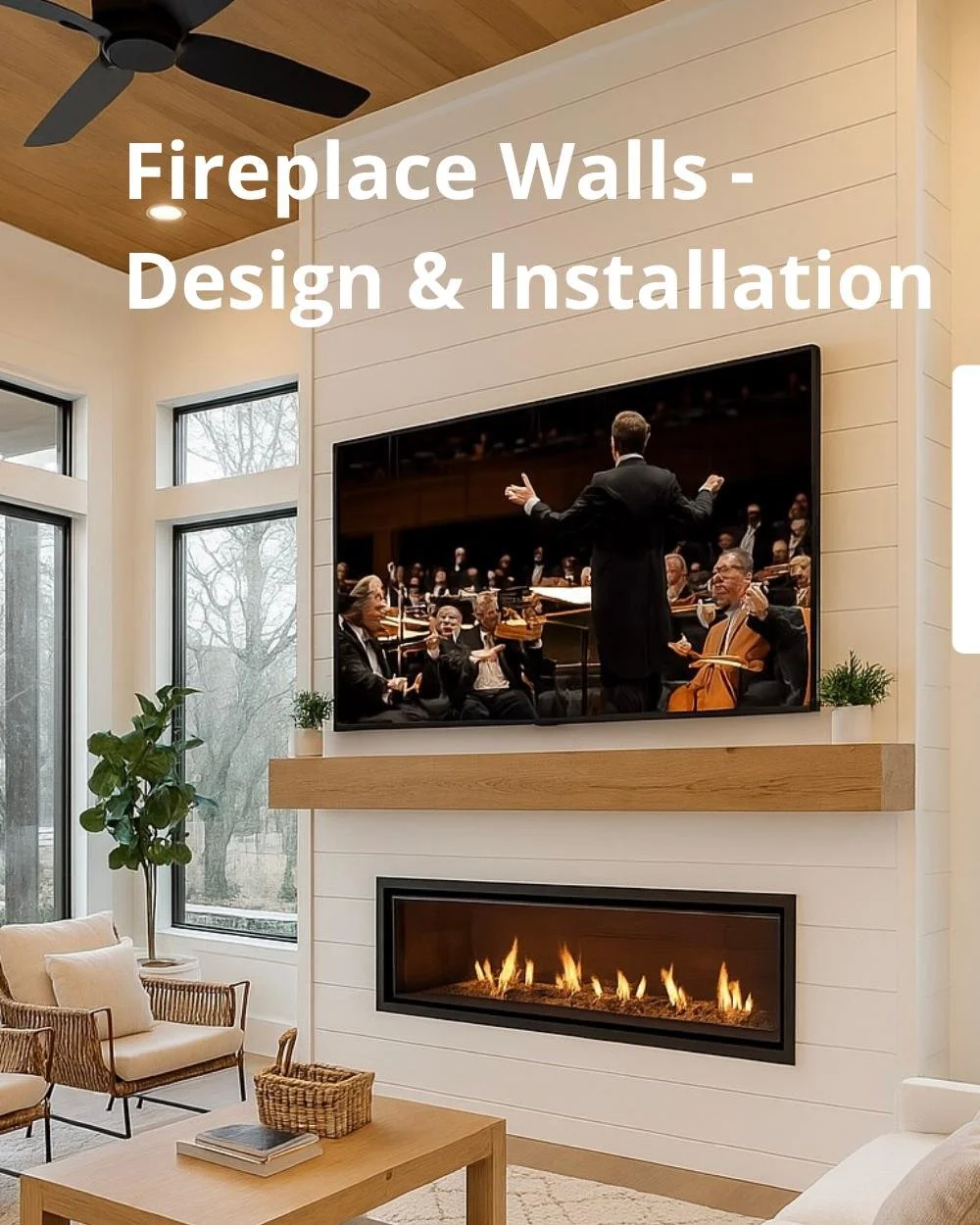
Electric fireplaces have become one of the most important elements in modern media walls. They add warmth, visual balance, and a clean architectural look without the structural limitations of gas or wood-burning units. In 2026, homeowners want safe, slim, efficient fireplaces that integrate seamlessly under a TV.
This guide explains fireplace sizes, installation rules, placement height, heating features, and how to choose the right model for your media wall.

1. Why Electric Fireplaces Work Best for Media Walls
Electric units solve design and technical limitations found in other fireplace types.
Advantages
• Safe under the TV
• Zero venting required
• Slim depth fits narrow walls
• Works with slim and full build-outs
• Clean flame appearance
• Adjustable heat
• Multiple flame color modes
• Fast installation compared to gas
Where They Work Best
• Living rooms
• Bedrooms
• Media rooms and lofts
• New construction homes
• Townhomes with limited depth
2. Common Electric Fireplace Sizes
Media walls in 2026 most often use the following widths:
Standard widths
• 50 inches – ideal for small rooms
• 60 inches – most popular fit for medium walls
• 72 inches – best for wide walls and strong focal points
Oversized formats
• 80 to 100 inches – for large custom media rooms
• Linear XL models – used in hotels and premium homes
Choosing the right width depends on wall proportions and TV size.

3. How High to Install an Electric Fireplace
The fireplace should sit at a visually comfortable level and align well with the TV.
Recommended Placement
• Bottom of fireplace: 14–20 inches above floor
• Fireplace center: aligned with lower third of TV
• TV bottom edge: safe distance above heat outlet
Optional Layout
• Floating mantel between TV and fireplace
• LED strip under mantel
• Slim recess for a minimalist finish
Electric fireplaces allow flexible placement because they produce controlled heat.

4. Slim vs Standard-Depth Fireplace Units
Slim Units
• Depth 4–6 inches
• Ideal for narrow walls
• Best for slim build-outs
• Fit condo and townhome layouts
Standard Units
• Depth 8–10+ inches
• Stronger flame appearance
• More heating capability
• Work with thicker stone finishes
Slim fireplaces pair perfectly with minimal modern walls, while standard-depth models create a more dramatic presence.

5. Heat Output and Safety
Electric fireplaces use forced air or infrared heat. They remain safe for electronics and do not overheat the wall.
Typical Output
• 750W (low setting)
• 1500W (high setting)
• Supplemental heat for 400–500 sq ft rooms
Safety Benefits
• No combustible materials
• No venting required
• TV stays within safe temperature range
• Heat direction moves forward, not upward
6. Design Features to Consider in 2026
Flame Modes
Multiple color combinations such as amber, blue, and mixed flame layers.
Ember Bed Styles
• Crystal
• Driftwood logs
• White stones
• Black stones
LED Accent Lights
Used inside the unit and along the media wall.
Smart Controls
• Remote control
• App control
• Thermostat mode
• Timer mode

7. Choosing the Right Fireplace for Your Wall
Select a 50-inch model if:
• Your wall is under 90 inches wide
• You want a compact layout
Select a 60-inch model if:
• Your wall is 100–140 inches wide
• You want the most balanced proportions
Select a 72-inch model if:
• You want a dramatic focal point
• You have a large living room or open floor plan
Additional Considerations
• Flame realism
• Noise level
• Warranty
• LED quality
• Build-out depth
Spanish Summary
Las chimeneas eléctricas ofrecen un diseño limpio, seguro y moderno bajo la televisión. Funcionan en paredes delgadas o profundas, vienen en tamaños de 50 a 72 pulgadas y permiten instalar luces LED y paneles decorativos. Proporcionan calor suplementario y son perfectas para salas pequeñas o grandes espacios abiertos.